By Brian Brivati
Executive Director, Britain Palestine Project
30 March 2026
(This post should be read alongside the background: OHCRH reports on the crimes of State of Israel on and in the occupied territory of the State of Palestine: A UK response?)
In the first three months of 2026, the number of West Bank Palestinians displaced in the context of settler violence and access restrictions has reached 1,697, surpassing the whole of 2025. Thirty-eight communities have been emptied in this context since 2023.
The rise in violence in early 2026 appears to be part of a wider pattern: expanding settlements and outposts, increased militarisation of settlers, repeated attacks on livelihoods and infrastructure and large-scale displacement in the context of persistently weak accountability.
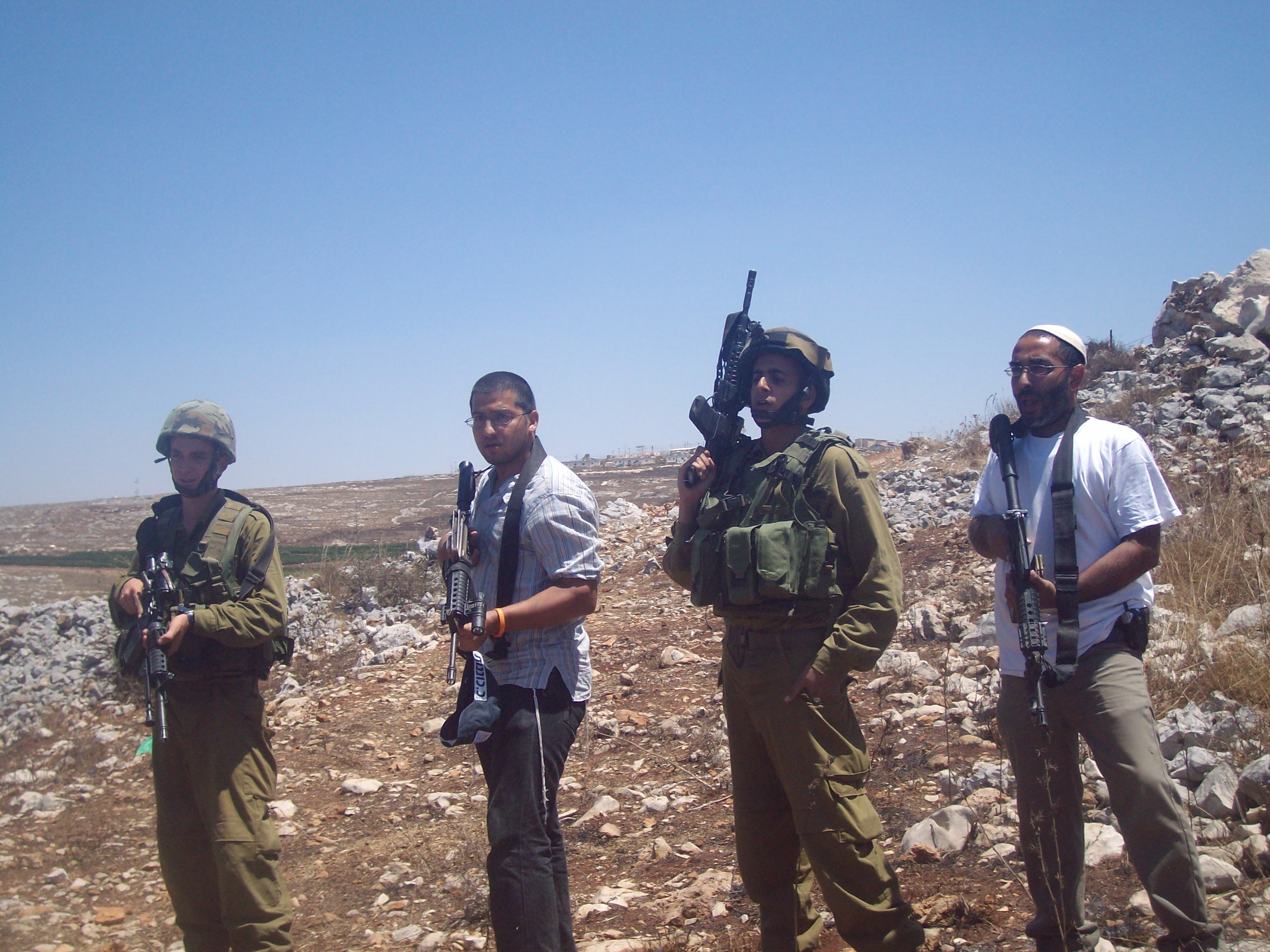
It is part of an annexation project as outlined HERE: War, Annexation and Israeli Hegemony. These four linked trends: show an overlap between civilians and state security, including reports of settlers operating in military uniform or with military-issued firearms; and coercive displacement, particularly in the Jordan Valley, alongside attacks on water systems, livestock, trees, homes, vehicles, schools and mosques.
The United Nations Office for the Co-ordinationan of Humanitarian Affairs (OCHA) reports covering January and February 2026 noted 193 settler attacks resulting in casualties and/or property damage, with 136 Palestinians injured. By late March, OCHA’s updated reporting indicated that the picture had worsened further: since 1 Jan 2026, 1,697 Palestinians from 33 communities had been displaced in the context of settler violence and access restrictions, exceeding the total for the whole of 2025, with more than 68 per cent of this displacement in Jordan Valley communities.
OCHA also reported that since the onset of the regional escalation on 28 Feb, more than 150 settler attacks resulting in casualties or property damage had been documented in about 90 communities, an average of more than six attacks per day. Illustrative incidents cited in March reporting include attacks on water and electricity infrastructure near Turmus’ayya and Beita on 22 March; the 17 Jan attack on the Mikhmas Bedouin community involving arson and injuries; the progressive displacement of Ras Ein al ‘Auja between 19 and 26 Jan, affecting around 600 people; a cluster of 86 attacks in the 3–16 Feb reporting window across 60 communities, with more than 800 trees reportedly vandalised; arson attacks on mosques in Tell on 23 Feb and Duma on 12 March; reported fatal settler shootings near Khirbet Abu Falah and in Qusra; allegations of severe assault and livestock theft in Humsah in the Jordan Valley; and coordinated raids during Eid on 22–23 March across multiple villages involving arson and assaults.
In its 27 March report, OCHA noted that 46 settler attacks were recorded between 17 and 23 March across 41 communities, causing 32 Palestinian injuries, damage to homes, livelihood structures, electricity infrastructure and other property and the displacement of 45 people from four communities. It further reported that between 21 and 23 March settlers carried out 32 seemingly coordinated attacks across 30 Palestinian villages and communities, and that 22 March alone saw 16 attacks affecting 15 communities, the highest daily levels recorded since the start of the year; in Jalud, settlers damaged community and livelihood structures and partially burned the building housing the village council and a medical clinic serving about 1,000 people.
Nearly 700 Palestinians have been displaced this year by settler attacks
The immediate effect has not been limited to casualties. Displacement is increasingly produced through a combined coercive environment of repeated attacks plus access restrictions. By early February, nearly 700 Palestinians across nine communities had reportedly already been displaced in 2026 due to settler attacks, including about 600 from Ras Ein al ‘Auja. By mid-February, more than 90 per cent of displacement linked to settler attacks and access restrictions was reported to be in the Jordan Valley area.
Israeli authorities reportedly opened some investigations and made arrests in several high-profile March cases, and the IDF Chief of Staff publicly condemned settler violence in March 2026. However, accountability remains limited and long-run indictment and conviction rates cited by Israeli rights groups remain very low.
On 23 March, the UN Secretary-General’s office said quasi-daily settler attacks had become increasingly intense and were causing deaths, injuries, major property destruction and, at times, the displacement of whole communities. Outside the UN reporting structures there has been some media coverage of the West Bank but in the main the story has been completely buried by the Iran War. Some of the coverage that has taken place has included:
- On 28 Feb, Al-Haq said settler militias attacked Palestinian homes in Huwwara with the support and protection of Israeli forces. This makes Huwwara one of the first documented cases from the Iran war period itself, rather than a later spillover.
- On 12 March, Palestinian News Agency documented an arson attack on the Mohammad Fayyad Mosque in Duma, south of Nablus. Al Jazeera Arabic reported that settlers burned part of the mosque entrance and spray-painted racist slogans, while Palestinian religious authorities said attacks on mosques were increasing during Ramadan.
- On 14 March, settlers attacked two more communities in incidents not covered in the earlier briefing. Al Jazeera English reported that in Qusra, a Palestinian man was shot dead and two others wounded, while in the Rashayda/Kisan area east of Bethlehem five Palestinians were injured and more than 100 sheep were seized.
- In mid-March, Reuters reported one of the most severe abuse cases of the month in the Bedouin community of Humsah/Khirbet Humsa in the Jordan Valley. A Palestinian man said around 80 settlers raided the area, beat and stripped him, bound his genitals with zip ties and paraded him naked in front of his children while also stealing hundreds of sheep. Reuters said Israeli military and police opened an investigation and arrested seven suspects.
- On 22–23 March, there was a wider Eid-period wave of coordinated raids across several villages. The Guardian reported attacks in al-Fandaqumiya, Seilat al-Dahr, Masafer Yatta, Qaryout, Jaloud, Haris and Tuqou, involving arson, beatings and destruction of homes and vehicles while Israeli forces stood by. Al Jazeera said the same wave injured at least 13 people and left burned homes and cars in al-Fandaqumiya.
- A second late-March wave followed immediately. Associated Press reporting on 22 March said settlers later rampaged in Deir al-Hatab, injuring at least 10 Palestinians, including a man shot in the foot and a woman with smoke inhalation, after an earlier funeral for an 18-year-old settler. This shows that the late-March violence was not confined to one locality.
- By late March, the cumulative picture had hardened. On 26 March, The Guardian reported that settlers, often acting with the complicity or in the presence of Israeli forces, had killed at least 10 Palestinian civilians in March alone.
Taken together with the cases above, the pattern up to 30 March 2026 is not only one of more attacks, but of wider geography, more arson and live fire, more attacks on religious sites and larger villages and more evidence of violence being facilitated by wartime closures and impunity.
What the United Kingdom can do in real, active response
The United Kingdom can act against illegal occupation of territory of the State of Palestine and oppose annexation of the West Bank through well-established instruments, including:
- Arms export licensing and defence cooperation decisions (risk-based controls; suspension/denial where risk is clear)
- Sanctions and financial measures (asset freezes, travel bans, restrictions on services and financing)
- Trade and procurement policy (differentiation, exclusions, bans, guidance, enforcement)
- Diplomatic conditionality (benchmarks, refusal to participate in illegitimate processes)
- Multilateral diplomacy (UN voting, statements, coalition-building where multilateralism is blocked)
- Accountability support (support for international justice and evidence-preservation; non-interference)
- Responsible business enforcement (due diligence expectations; sanctions compliance; supply chain transparency)