FILM SCREENING: Planet Israel – fundraising preview screener
Director Gillian has met and worked with many supporters through Britain Palestine Project events and screenings, and now invites your support for her latest film.
Britain Palestine Project
Peace with justice, security and equal rights for Israelis and Palestinians


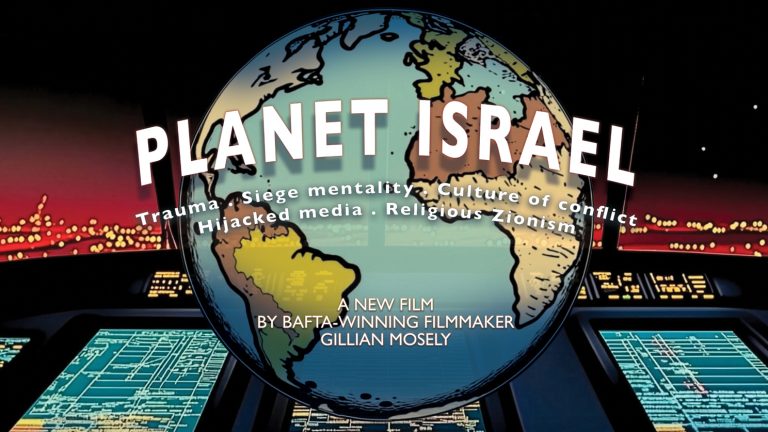
Director Gillian has met and worked with many supporters through Britain Palestine Project events and screenings, and now invites your support for her latest film.
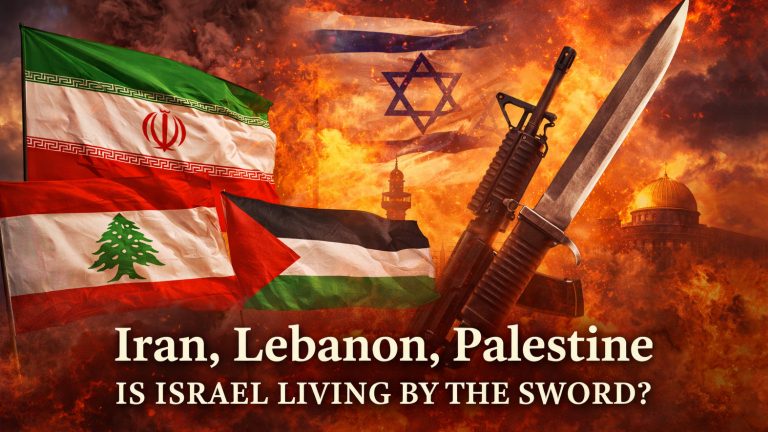
Israel’s unlawful war of choice against Iran, and its continued destructive military occupation of and assaults on Gaza and the West Bank, mean Britain must take concrete action to protect the State of Palestine it recognised last autumn.
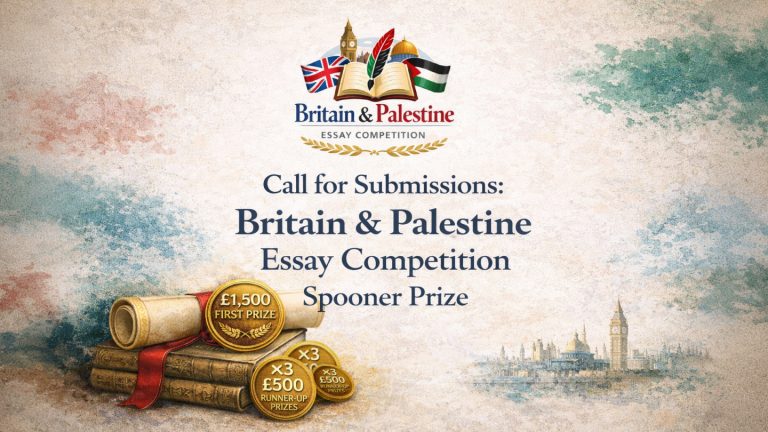
We are inviting submissions for the Spooner Prize – an annual essay competition supporting rigorous, evidence-led research on Britain’s role in Palestine. Open to postgraduate students, early-career researchers, and independent scholars.
An Israeli’s discovery of abandoned documents spelling out soldiers’ and officers’ personal stories of the organised massacres of Palestinians during the 1948 Nakba throws new light on the Israeli army’s conduct, and is new confirmatory eye-witness and participant evidence of systemic, murderous ethnic cleansing.
The BPP urges Britain to make a priority of UNRWA’s survival, safety and full operational capability. These include its duties to protect, educate and sustain Palestinian registered refugees, and the safeguarding of UNRWA officers and workers.
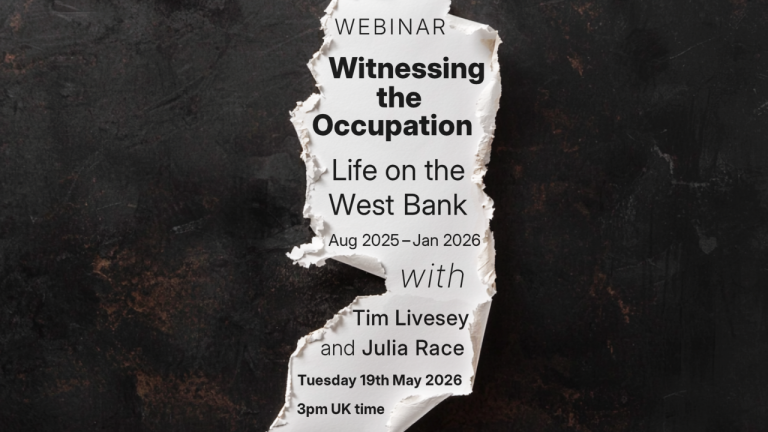
Tim and Julia have recently returned from visits to the occupied West Bank as Ecumenical Accompaniers (or human rights monitors).
British and Irish MPs, TDs, peers and senators have written jointly to their Foreign Ministers calling for tough action now against trade with with Israel’s illegal settlements in the occupied territory.
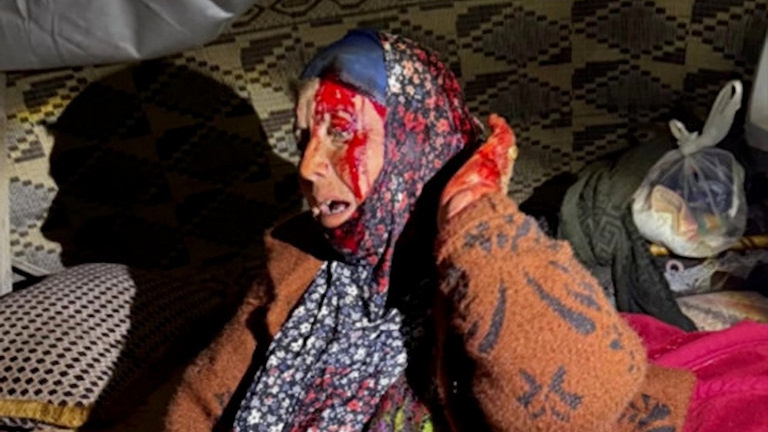
The emergency measures Israel enforces during wartime seriously intensify the already severe disruption the illegal occupation brings to Palestinians. But they also enshrine structural changes that aim to reshape the Palestinian landscape permanently.
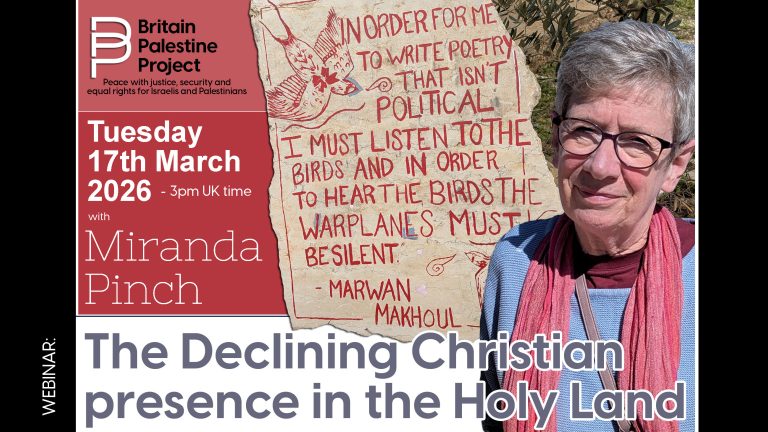
The declining Christian presence in the Holy Land – webinar with Miranda Pinch. Miranda is on the Advisory Forum of the Britain Palestine Project and has recently returned from a visit to the West Bank.
This is a new podcast series from the BPP offering informed, candid analysis of the latest developments shaping Palestine, Israel and Britain’s role in the region.
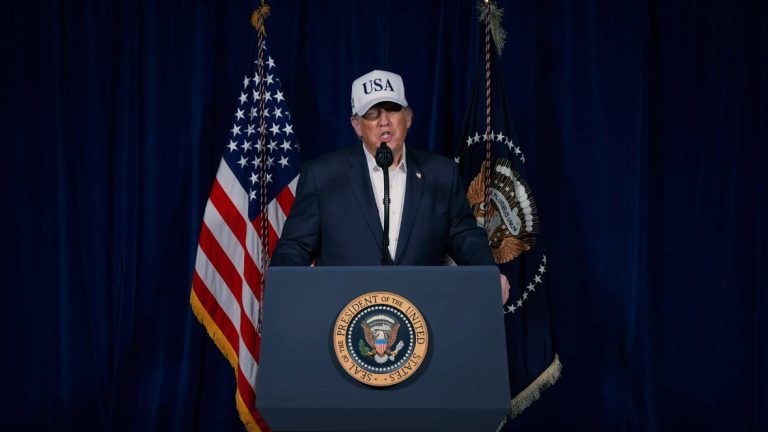
United Nations Association – UK statement on the escalatory attacks on Iran, and what Britain and its allies can do now.
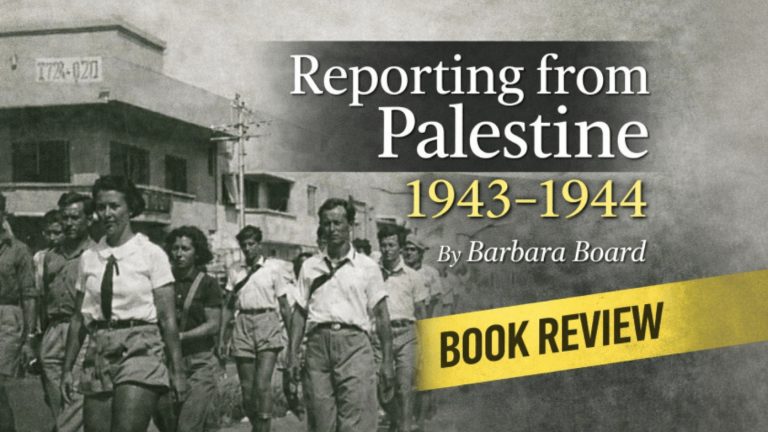
This contemporary account of life in Mandate Palestine during those fraught years of 1943–44 highlights the hopes that existed of an Arab–Jew rapprochement, while at the same time illustrating the compelling forces that were to make compromise impossible.

Sir Vincent Fean says: ‘The US is traditionally the broker between Palestinians and Israelis. I’m afraid that… it’s not an honest broker and that Britain and Europe and the wider world need to look to themselves for a way forward between Israel and Palestine.’
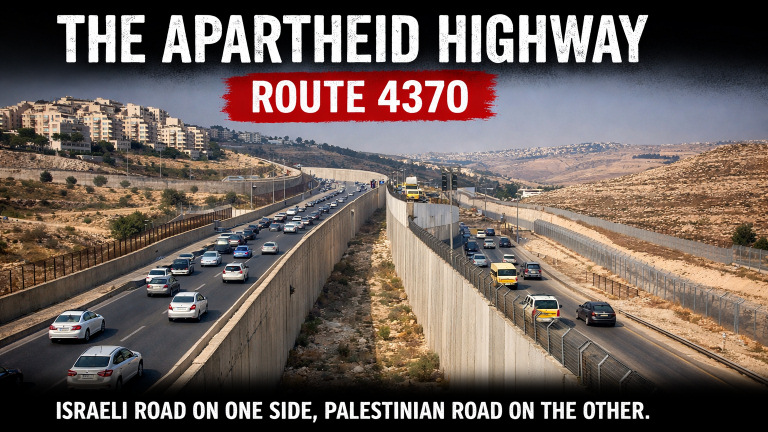
The BPP argues that Britain must take the lead in opposing Israel’s scheme to divide into two separate entities: the northern and southern sections of the illegally occupied West Bank.

A controversy over the language a bishop used about Israel’s campaign against Gaza has dominated the letters pages of the Church Times.

Stav is Gisha’s Director of International Relations and has served as Director of Community Engagement at Yachad, a British Jewish organisation advocating to end the occupation.
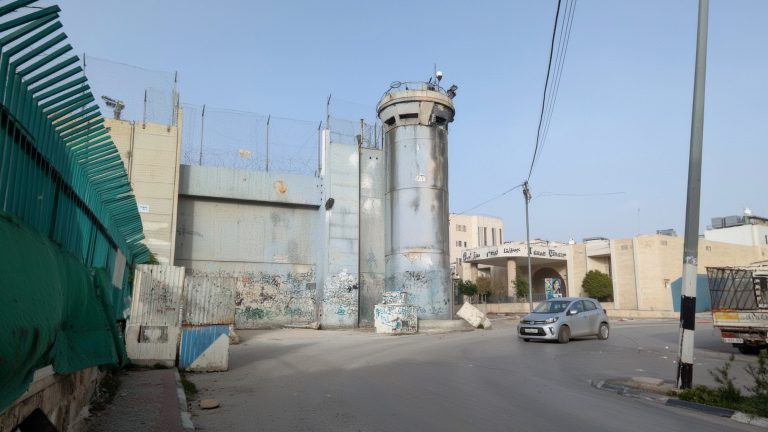
Encounters in Palestine during my visit in January 2026, by Miranda Pinch.
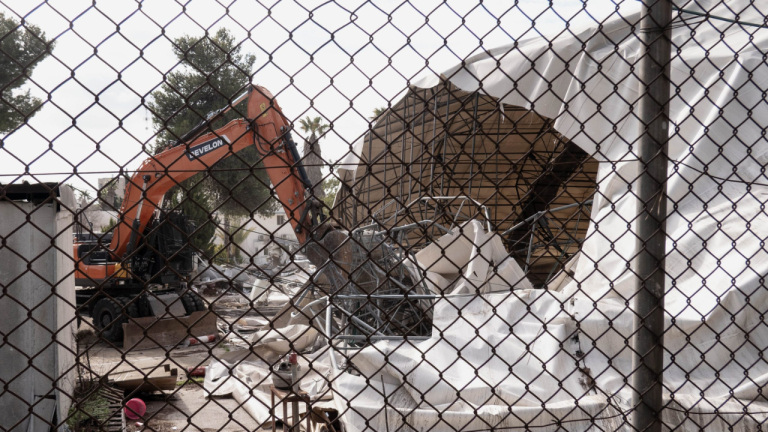
Andrew Whitley recalls the essential work UNRWA and its largely Palestinian staff did for their beleaguered fellows and families in East Jerusalem, the West Bank and Gaza, and remembers its Sheikh Jarrah HQ – now torn down by Israel’s wrecking squads.

An Anglican Father from Ramallah describes the accelerating exodus of his and other churches’ parishioners from the Occupied Territory as Israeli settlers and soldiers rampage across Palestinian lands.
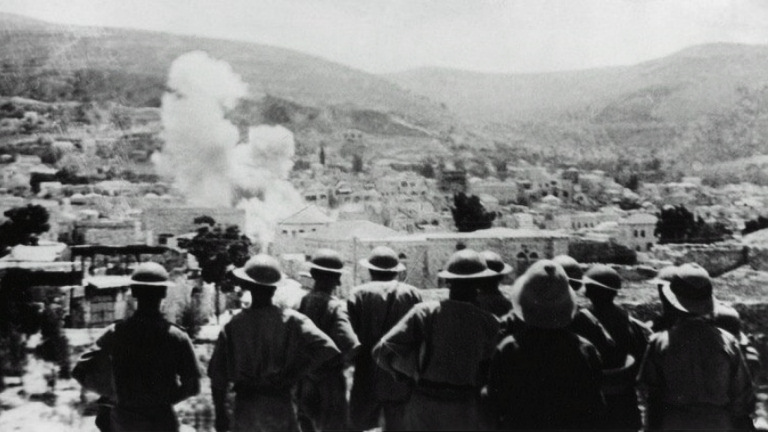
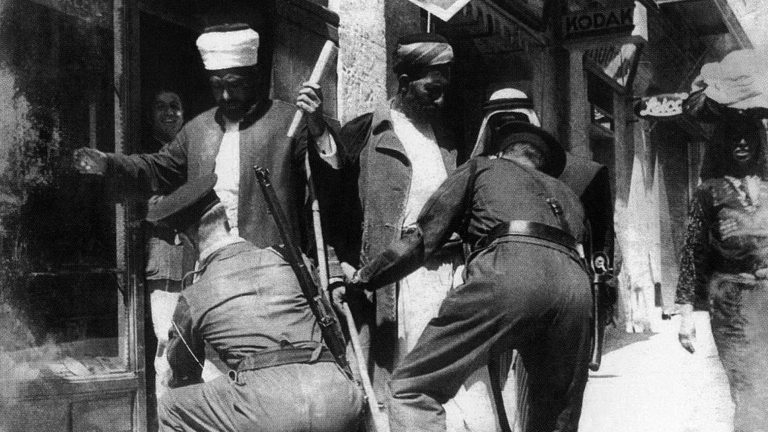
The violent history of the British armed forces’ suppressing the Palestinian Arabs’ struggle for their national rights is related in a new petition to the British Government, asking for a full, official apology.

Professor Mekelberg has been an associate fellow with the Middle East and North Africa Programme at Chatham House since 2002. He is currently a guest professor at the University of Roehampton, in the UK.
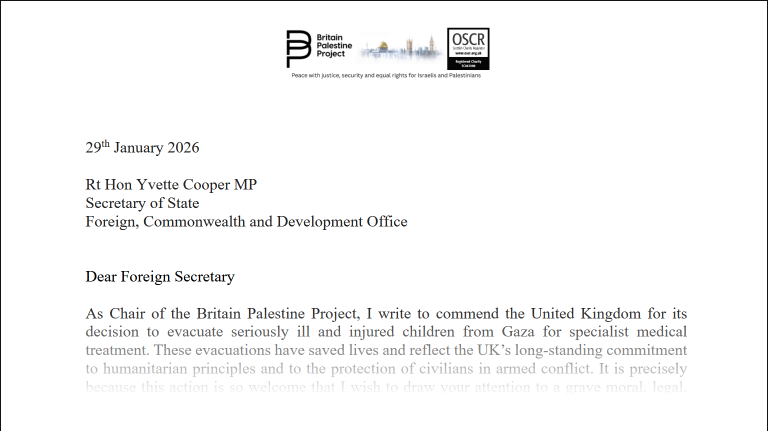
‘Dear Foreign Secretary … I wish to draw your attention to a grave moral, legal, and humanitarian inconsistency that now urgently requires address.’
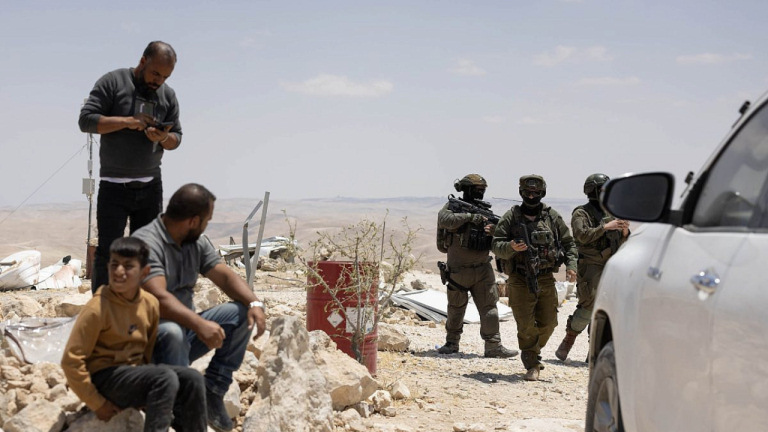
As settlers set homes ablaze and looted livestock across three villages for over five hours, Israeli soldiers blocked ambulances, arrested victims, and even took part in beatings. This is how it unfolded.
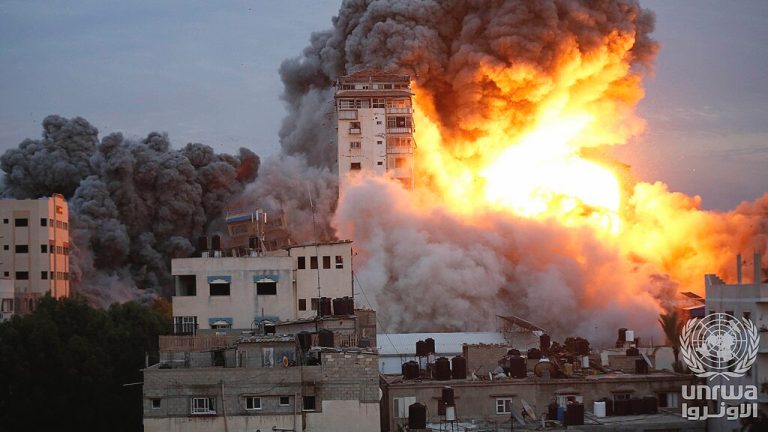
The Israeli army has confirmed the Gazan death toll of 70,000, after consistently denying such levels of slaughter. How, asks BPP Executive Director Brian Brivati, can ordinary Israelis absorb this figure and just look away?
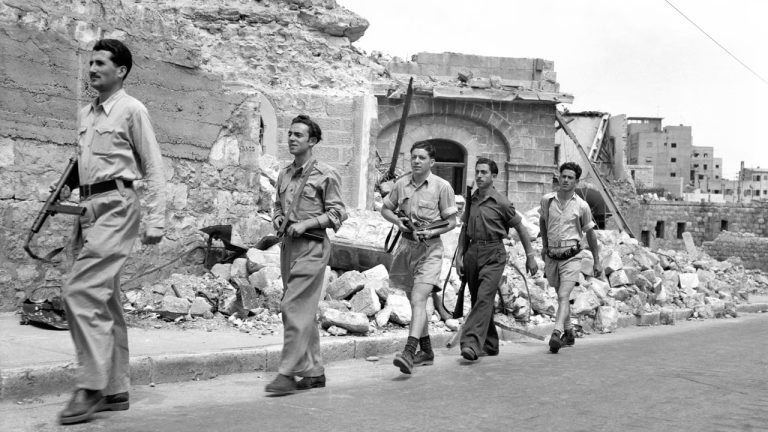
‘Less than three years after the Jews of Europe – including members of my own family – were ghettoised and ethnically cleansed for being Jewish, the people of Palestine were ethnically cleansed and ghettoised for NOT being Jewish.’
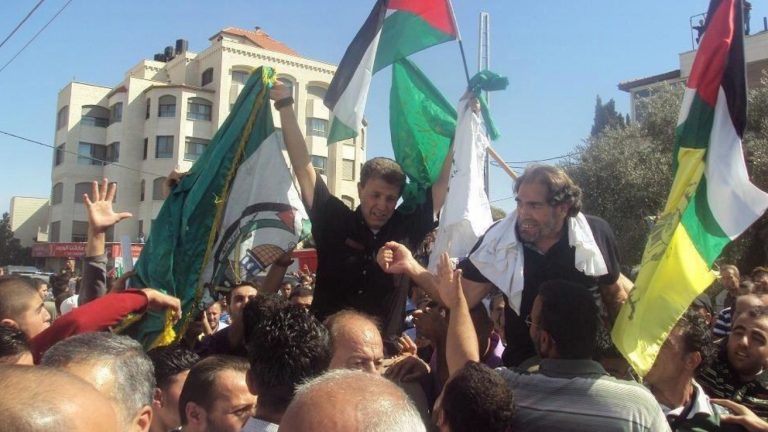
Freed Palestinian prisoner Nael Barghouti described what kept him going through a lifetime of Israeli imprisonment, including torture, starvation and abuse — his faith in and work for the Palestinian struggle for freedom.

A joint statement by the foreign ministers of Belgium, Canada, Denmark, France, Iceland, Ireland, Japan, Norway, Portugal, Spain and the United Kingdom on demolitions by the Israeli authorities of the UNRWA headquarters in East Jerusalem.
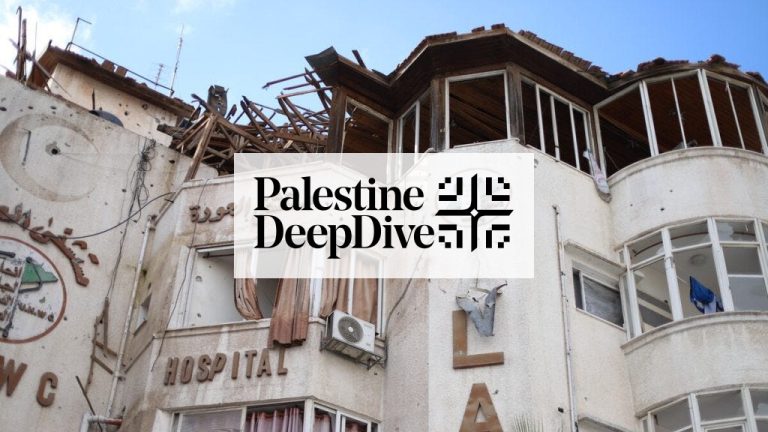
Imagine trying to cope with the needs of people after more than two years of genocidal attacks when so many facilities have been damaged and even now, desperately needed supplies are being blocked by Israel, also in violation of the ceasefire agreement.
The BPP’s 2026 conference brings together leading historians, analysts, and legal experts to examine what recognition of Palestine must mean in practice, and what the UK’s responsibilities are in shaping what comes next.

Israeli farmers issue a warning that the country’s agricultural export industry is facing a looming collapse becauseof international opposition to the Gaza invasion, the mass killings of Palestinian civilians and the almost total physical destruction of environment and infrastructure . Recent reports show the impact of boycotting Israel, and why the Israeli ‘brand’ may never recover.
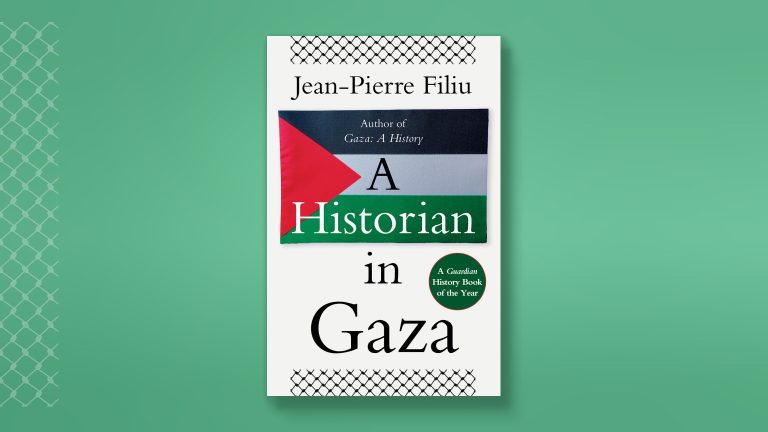
‘The Gaza I knew, and whose length and breadth I’ve travelled, has ceased to exist.’
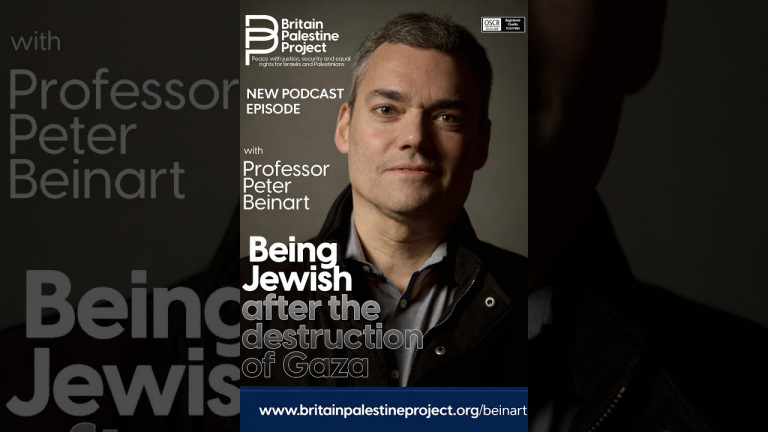
24 February 2026 In this powerful and thought-provoking conversation, Professor Peter Beinart joins the Britain Palestine Project to discuss his latest book, Being Jewish After the Destruction of Gaza (Knopf, 2025), and to reflect on what this moment demands morally, politically and spiritually. Beinart describes Gaza not only as a humanitarian catastrophe, but as a…
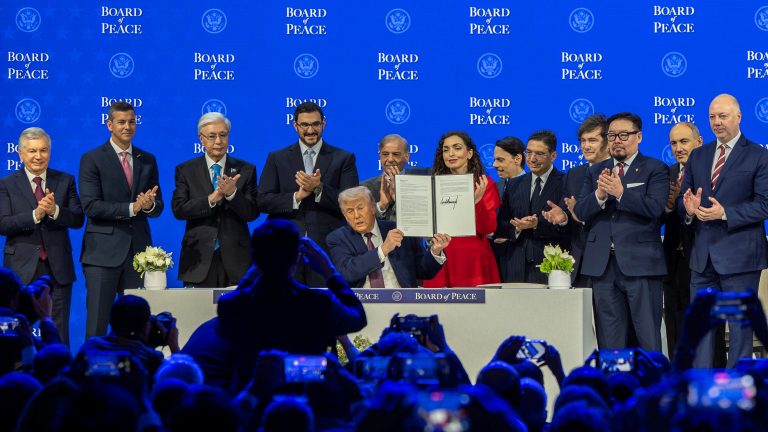
The BPP Executive Director, Dr Brian Brivati, argues that most of the international legal questions raised by “Trump’s Board of Peace” (BoP) and the related National Committee for the Administration of Gaza (NCAG), flow from the BoP Charter, which purports to supply authority for Gaza’s transitional governance while also gesturing toward a far broader conflict-resolution role.
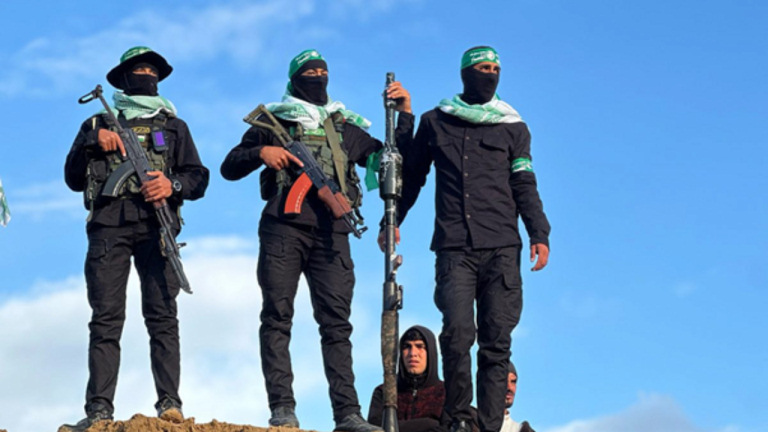
Hamas, beyond the rhetoric, writes Menachem Klein, acknowledges that the fighting now has to be converted into political and social gains as part of the Trump peace plans. And it looks to Egypt, Qatar and Turkiye as its main allies in this quest.
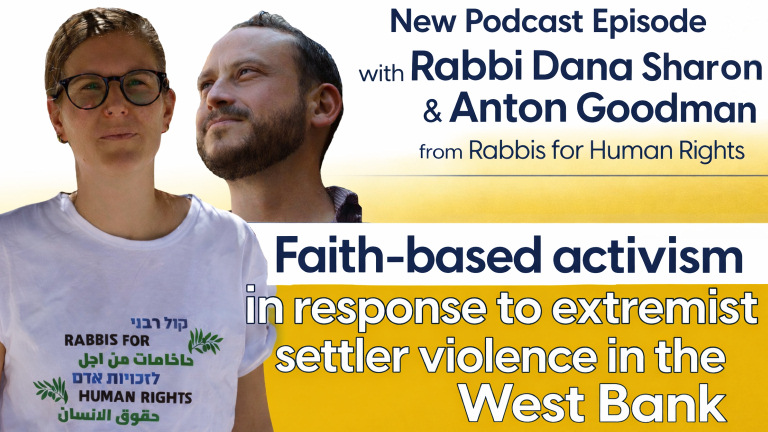
How faith-based activism is being used to confront and resist extremist settler violence, forced displacement, and systemic human rights abuses faced by Palestinian communities in the West Bank.

Israel’s plan to end the Palestinian refugee issue by demolishing its main symbol: the refugee camp.