
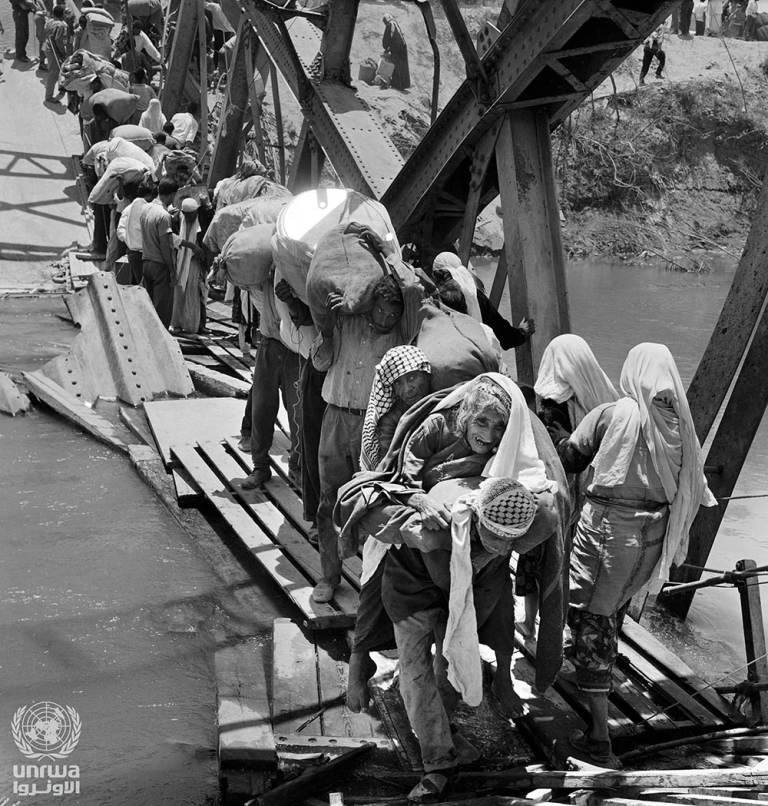
Israel’s ethnic cleansing of the Palestinians in 1967

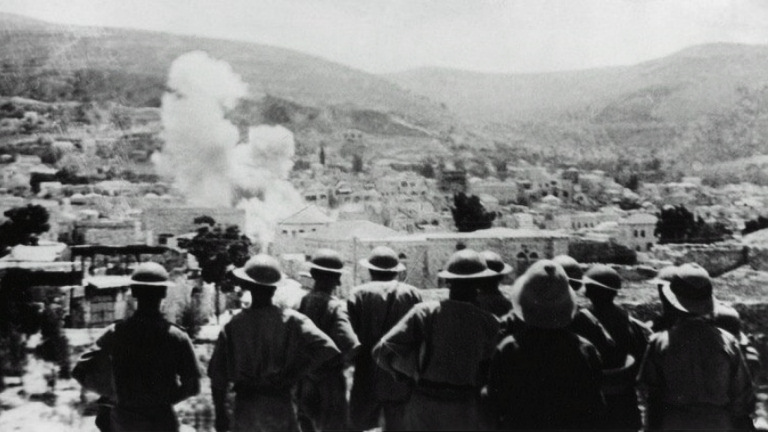
By Zachary Foster 5 June 2026 In June 1967, Israel invaded and occupied the West Bank, Gaza Strip, Sinai Peninsula and Golan Heights. During and after the war, they depopulated the Golan, Latrun, Jordan Valley, Gaza’s refugee camps and villages near Hebron, and destroyed large swaths of the Golan, Qalqiya, Tulkarem and Jerusalem. Palestinians in…

Read more

How Israeli society became genocidal: the policies, the language and the dehumanisation of the Palestinian people

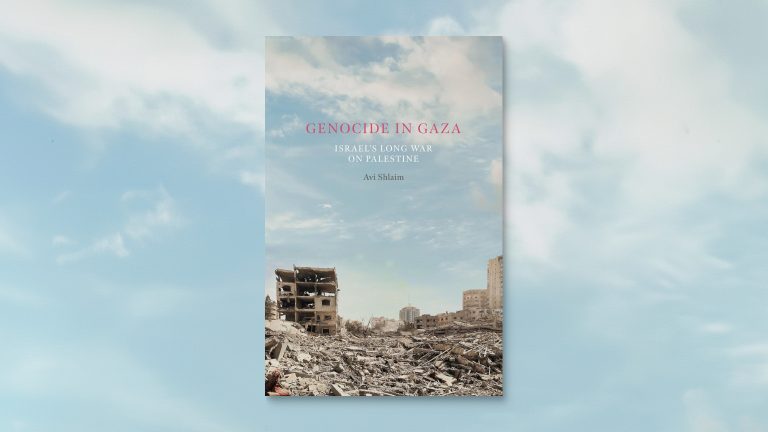
By Menachem Klein 28 Aug 2025 In summary:  Unprecedented war and devastation: Since 7 Oct 2023 the Israel–Gaza war has reached catastrophic levels of destruction, displacement and casualties;. Mainstream Israeli discourse now openly embraces genocidal language and policies once confined to extremist fringes, normalising dehumanisation of Palestinians. Structural shifts before the war: Israel consolidated a…

Read more

Jerusalem, Law, and Memory: The 1930 Ruling on the Buraq Wall

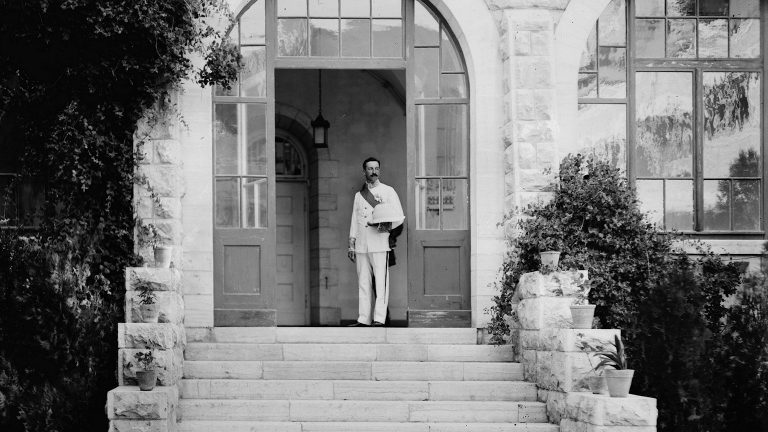
by Tawfiq Al-Ghussein6 August 2025 Ownership of the Western Wall in Jerusalem was definitively adjudicated in December 1930 by an international Commission appointed by the British Government with the approval of the League of Nations. Known in historical literature as the International Commission for the Wailing Wall, this body was composed entirely of eminent non-Arab,…

Read more

Saudi Arabia’s ‘enduring betrayal of Palestine’

11 July 2025 In the following article, reprinted from Arab Digest, and written by an unnamed author, it is argued that Ibn Saud, the founder and first King of Saudi Arabia (1932-1953) consistently prioritised relations with Britain and the United States of America over the Palestinian cause, influencing the end of the Great Arab Revolt…

Read more

Britain’s colonial legacy is still felt in Palestine today

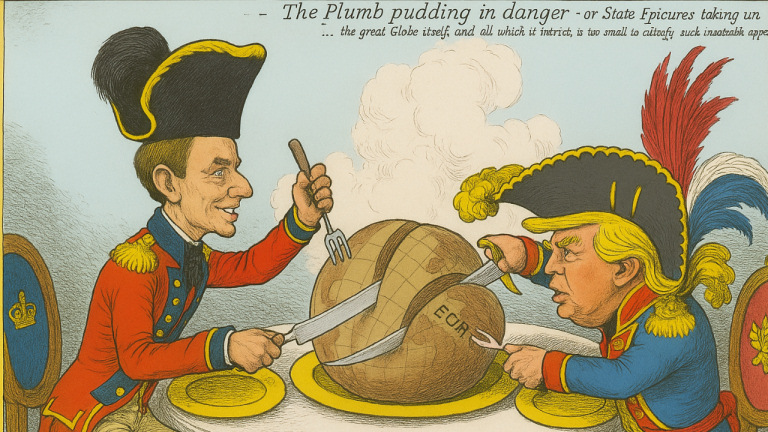
Even before the British Mandate for Palestine and the Balfour Declaration, British intervention in the Holy Land was laying the foundations for Israel’s occupation, with consequences that reverberate today By Gabriel Polley 23 March 2023 Twenty twenty two marked the centenary of the British Mandate for Palestine, which formalised Britain’s presence in the Holy Land after the First World…

Read more

Policy of Deceit and the Quest for Peace: An Evening of Reflection at Initiatives of Change

On January 9th 2024, an engaging event took place at Greencoat Place, hosted by Initiatives of Change (IofC UK) in collaboration with the Balfour Project. Peter Shambrook, the author of ‘Policy of Deceit’, was the central figure of the evening, which delved deep into the historical intricacies and current realities of the conflict between Israel…

Read more

‘We Need a Ceasefire Now!’ Sir Vincent Fean on Deep Dive Palestine Podcast

Mark Seddon: Today British Parliamentarians wrote to PM Rishi Sunak calling for a ceasefire. What did the letter say? Sir Vincent Fean: The letter is signed by around about 120 members of Parliament in both houses: Peers and members of the House of Commons. It was the initiative of Baroness Shas Sheehan, Liberal Democrat. I’ll…

Read more

The 1920 Jerusalem riots – Arab fears, Zionist pressures, faulty security cited in British Palin inquiry

By Mike Scott-Baumann The Report of the Palin Commission (or Court) of Inquiry, 1920 The Commission was established in May, 1920, to examine the reasons for the Jerusalem [‘Nebi Musa’] riots of April, 1920, and “the extent and causes of racial feelings that at present exist in Palestine”. Its three members were all senior military officers. The…

Read more

Britain in Palestine, 1838–1882: the roots of the Balfour policy

By Alexander Schloch As the Ottoman Empire began to open to European penetration, between 1831 and 1840, the various Powers, including the British, strengthened their presence in Palestine and their footholds in the empire by establishing diplomatic missions and setting up religious missions supporting particular minorities. Well before the establishment in strength of the Zionist…

Read more

Timeline – 19th Century

Early 1800s Literal reading of the Bible, which had started in the 1600s, develops further, influenced by John Nelson Darby, Edward Irvine and Prophetic Conferences such as those in Albury. 1840 Lord Shaftesbury, best remembered for legislation on child labour and mental health issues but  less for his form of evangelical Christianity, takes an advert…

Read more

Timeline – Early History: Common Era

66-70 Romans suppress a major  Jewish revolt and the Temple is destroyed. The conquering Roman general, Vespasian, became emperor. 132-135 The Bar Kokba revolt. Jews barred from entering Jerusalem. The Romans name the province Syria Palaestina. Jews move North into Galilee, being banned from Jerusalem 312 Edict of Milan. Constantine begins the process of Christianising…

Read more

Timeline – Before the Common Era

Early History Before the Common Era 2000-1500 BCE Re-establishment of strong political power in Egypt with advent of the Middle Kingdom led to revitalisation and expansion of trade routes and a period of great prosperity in the Levant. It witnessed the full flowering of Canaanite culture. The situation was further enhanced when, around 1750 BC,…

Read more