

These recommendations are not about protecting Jewish children.
by Nadeine Asbali
Novara Media
30 Oct 2026
If you have seen the news in the past week or so, you could be forgiven for believing that antisemitism is the single most pressing issue facing British education today. All schools in England have been told they must consider antisemitism a distinct form of harm after recommendations from a review by the former Ofsted chief, Sir David Bell, were accepted by the Government last week.
As a British secondary school teacher of 10 years, I cannot help but feel we are not being told the full story here. Bell is hardly an impartial figure, given his membership of a pro-Israel, anti-Boycott, Sanctions and Divestment academic charity. Then there is the report’s widely-shared finding that “almost three in five” Jewish pupils have experienced antisemitism at school. This would be a sobering statistic about any minority group, but it just does not stand up to scrutiny. The report even admits that the “low sample size of 92 students who identify as Jewish should be treated with caution”.
The Bell review uses the controversial International Holocaust Remembrance Alliance (IHRA) definition of antisemitism – which states that calling the state of Israel a racist endeavour or comparing Israel’s actions to that of the Nazis constitutes anti-Jewish hate – and calls on schools to adopt it.
In other words, anti-Zionism equals antisemitism. A 2025 survey found that 45 per cent of British adults agreed with the statement “Israel treats the Palestinians like the Nazis treated the Jews”: so by this definition almost half the British population are raging antisemites. Amongst young people, the figure was as high as 60 per cent.
Schools are not cesspits of antisemitic hate
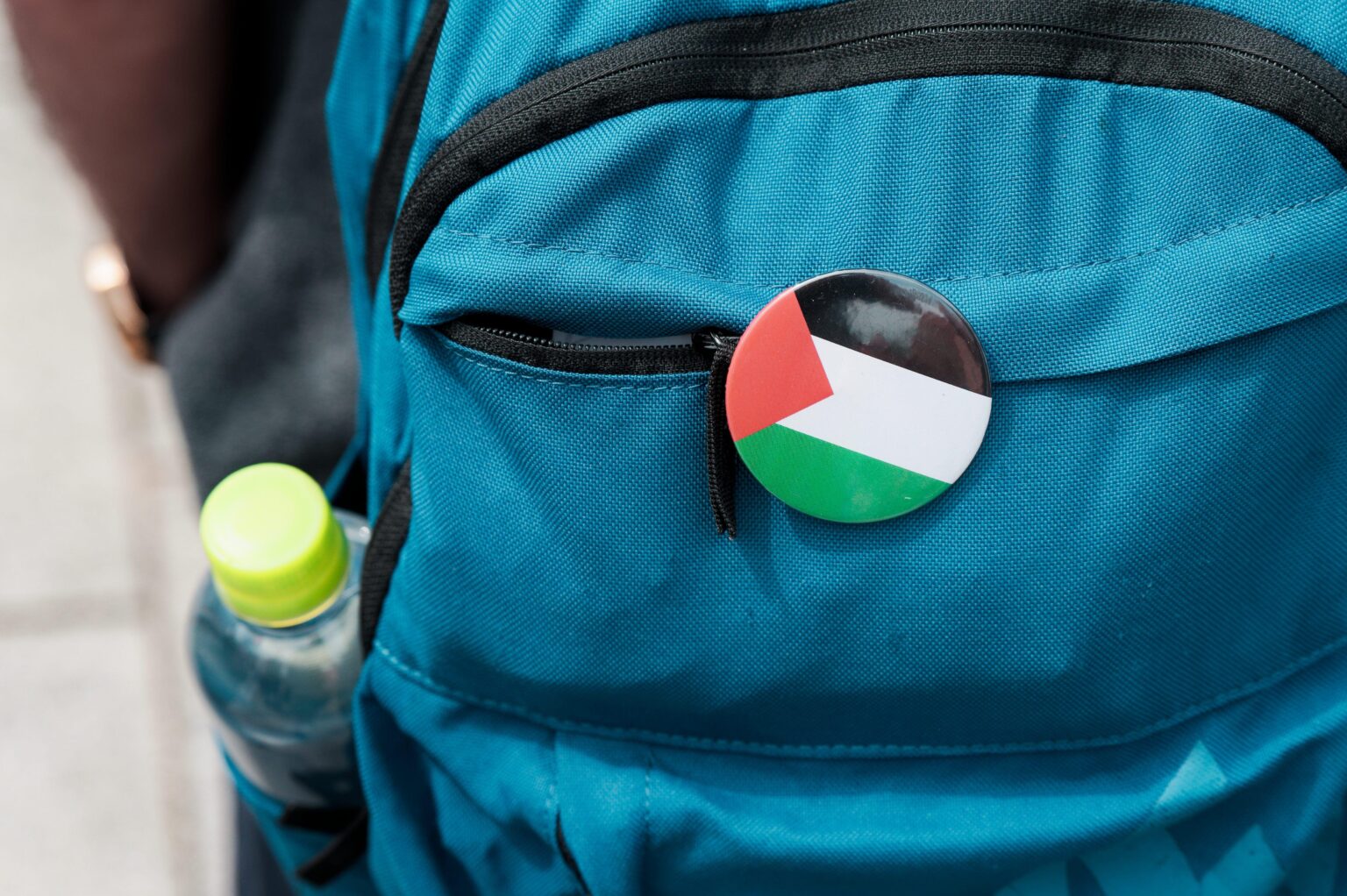
Now, I teach in a very Muslim borough of East London and my pupils are, to put it mildly, extremely passionate about the Palestinian cause. They attend rallies with their parents at the weekend, wear pin badges on their backpacks and have watched a campaign of genocide against children like themselves livestreamed through their phones for the past three years.
I have never witnessed any genuinely anti-Jewish statements, and I am not alone in that experience amongst colleagues. Schools are not the cesspits of antisemitic hate that the mainstream media and Government would have us believe, and young people are far more capable of nuanced debate than they are given credit for. But none of that seems to matter, because under the IHRA definition criticism of Israel or rejection of Zionism is enough to constitute antisemitism – and therein lies the problem.
Is this about supporting Jewish children or is it about silencing support for Palestine altogether?
The most troubling thing about the Bell review is that it masquerades as concern for Jewish pupils and teachers whilst actually functioning as a continuation of the Government’s ongoing clampdown on pro-Palestine expression in all areas of public life. The report seems more concerned with banning Palestine badges and ensuring teachers are “politically impartial” when it comes to the state of Israel than it does about what sort of support should be extended to victims of anti-Jewish discrimination.
The idea that teachers should be trained specifically on antisemitism, as a form of hate entirely distinct from all other types of bigotry, speaks to a hierarchy of discrimination in the United Kingdom. Some forms of prejudice are embedded in the very system itself – consider the Prevent duty placed upon all teachers that disproportionately impacts Muslim children – while others get immediate Government attention and resourcing.
Cracking down on Palestine support at the cost of tackling genuine racism
My fear is that the Bell recommendations will pressure schools into cracking down on pro-Palestine expression at the cost of tackling genuine racism – and that is before you consider the impact on underpaid and overstretched teachers having yet another priority to add to their overflowing lists when there are still young people to support and lessons to teach.
Free speech and equality for all will likely go out of the window in favour of blanket bans on all discussions of Palestine in the classroom – and undoubtedly this will have a disproportionate impact on Muslim pupils and staff. Given that Prevent referrals for wearing pro-Palestine items have risen in recent years, those already facing heightened suspicion and even criminalisation are likely to be further targeted.
It feels particularly sinister that this move to essentially outlaw criticism of Israel and solidarity with Palestinians – from condemning the Israeli state to wearing a flag pin – should be inflicted upon schools of all places. What happened to the notion that our educational institutions should be alive with debate and critical thinking, free speech and nuance? What are we teaching the next generation if condemning a genocide in their classroom equates to racial hatred?
The answer, soberingly, seems to be that this is the very point. A British state complicit in the genocide of Palestinians has no interest in a generation of politically-engaged children who will one day hold it to account. Less about protecting Jewish pupils and staff, this report is more about manufacturing consent for Israel’s crimes and Britain’s long, bloody history of propping it up. If teachers are scared into silence and children are taught that it is offensive to question a live genocide, schools become factories training tomorrow’s adults never to question the status quo. How convenient for the state.
Nadeine Asbali is a freelance writer and author of Veiled Threat: On Being Visibly Muslim in Britain. This article appeared originally in Novara Media.